


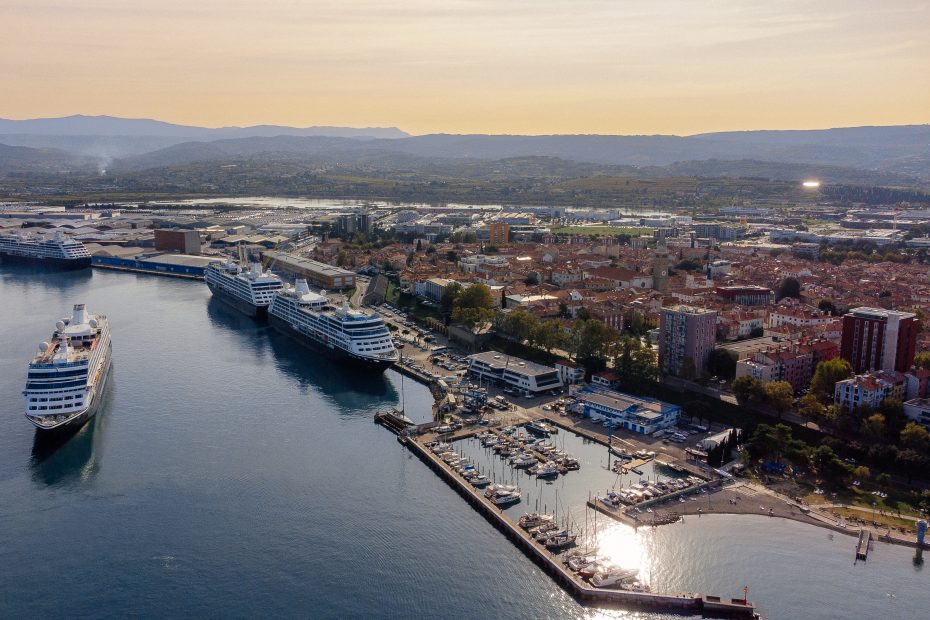
A cruise ship arriving in port is a carefully choreographed moment.
From the bridge to the pier, from schedules to shore teams, everything moves with quiet precision.
Guests may not see that complexity. But they feel it.
Or they feel its absence.
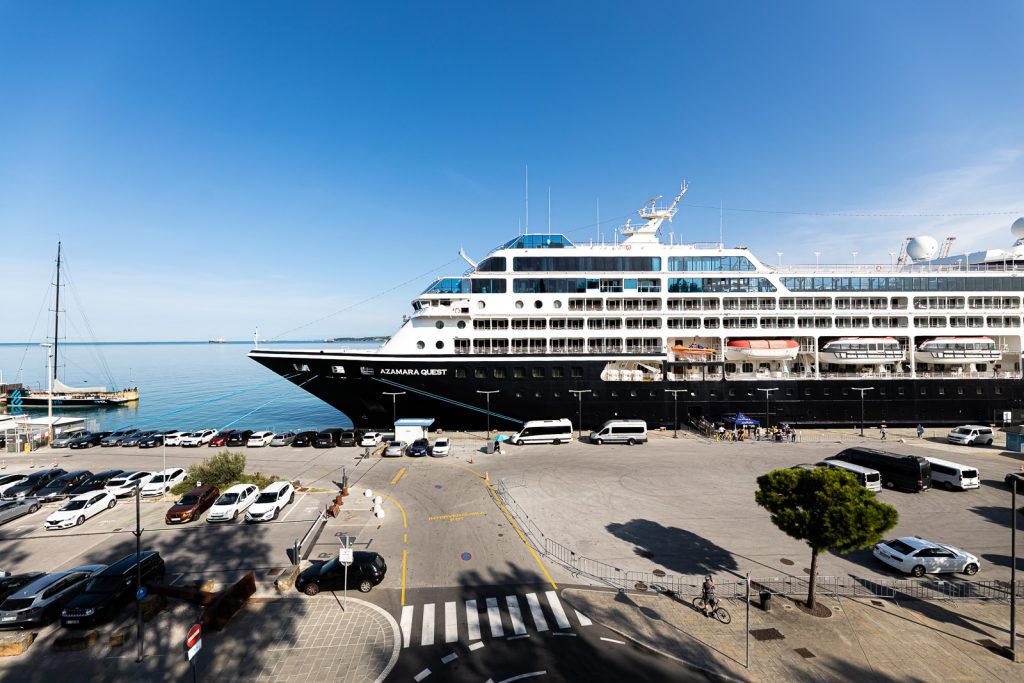
When a cruise ship docks, guests expect more than a beautiful destination. They expect reassurance.
Not in an explicit, verbal way. Few guests articulate it. But the sensation is unmistakable:
that everything is under control, that time ashore has been thought through, that someone competent is paying attention.
In the cruise industry, this feeling is often described simply as being “in safe hands.”
It is an understated phrase, but it carries weight. It speaks not only to physical safety, but to confidence, reliability, and professionalism. It is the difference between a guest stepping ashore with ease, or with a quiet sense of uncertainty they cannot quite name.
Crucially, this feeling does not begin on the day of arrival.
It is built weeks, months, and sometimes years before the ship ever enters port.
Trust Is the Invisible Driver of Guest Satisfaction
Guest satisfaction is often measured through visible elements: the quality of the guide, the beauty of the scenery, the smoothness of transport, even the weather. These factors matter, but they are not the foundation.
The strongest driver of satisfaction in shore excursions is something less tangible: trust.
Guests trust that:
- the destination is prepared for them
- the program has been realistically designed
- timing has been carefully calculated
- someone is monitoring the operation beyond the brochure description
Cruise lines, in turn, must trust that:
- local partners will perform consistently
- contingencies have been considered
- risks are understood rather than ignored
- support exists if something deviates from plan
When that trust is present, guests relax. They stop watching the clock. They stop wondering whether they will make it back to the ship on time. They focus instead on the experience itself.
This is what “in safe hands” means in practice.
It is not marketing language.
It is an operational outcome.
Shore Excursions Are Built Long Before the Day of Call
There is a persistent misconception that shore excursions are primarily executed on the day a ship arrives. In reality, the most important work happens long before the first guest steps ashore.
Professional shore excursion programs are designed backward:
- from the ship’s schedule
- from port constraints
- from realistic movement times
- from known seasonal pressures
This approach requires discipline. It means resisting the temptation to design tours based solely on creativity or destination highlights. Instead, design begins with feasibility.
What is genuinely possible within the available window?
What infrastructure supports the experience?
Where are the pressure points likely to appear?
Only once these questions are answered does experience design begin.
This is not a limitation. It is what protects quality.
Destination Knowledge Is Not Optional
A destination may be visually stunning, culturally rich, and rich in experiences. None of that matters if it is not understood in operational detail.
For cruise calls, destination knowledge must go beyond attractions. It must include:
- traffic patterns during peak cruise days
- seasonal congestion and local events
- site capacity and flow limitations
- realistic buffer times between locations
- partners who perform reliably under time pressure
On cruise days, there is no margin for improvisation. Tours do not operate in isolation. They operate simultaneously, often under compressed timeframes, with hundreds or thousands of guests moving at once.
An operator must be present, informed, and able to make decisions in real time. That level of control only comes from deep local experience, constant evaluation, and a clear understanding of where flexibility exists, and where it does not.
Design Starts With Reality, Not Creativity
The first step in designing a shore excursion is not inspiration, but reality.
What is available on the ground?
What infrastructure supports it?
How does it interact with port schedules, tender operations, and ship departure times?
This reality check is where many programs succeed or fail.
At Atlas Express, shore excursion design begins with a structured assessment of what can be delivered consistently, not occasionally, not under ideal conditions, but reliably across multiple calls and varying circumstances.
Only when the framework is solid do we begin shaping the experience itself.
This is where guidelines, training, and alignment become critical. Suppliers and guides are aligned not only on content, but on:
- group handling
- timing discipline
- communication protocols
- response procedures when conditions change
Experience quality is protected not by rigidity, but by clarity.
Not Every Experience Fits Every Cruise Brand
One of the less discussed aspects of shore excursion quality is suitability.
Not every experience fits every cruise line and every tour fits every guest demographic.
Professional destination management requires discernment: understanding which programs align with which brands, itineraries, and guest expectations.
This means sometimes saying no.
A well-designed excursion that is wrong for a particular cruise client is still the wrong product. Long-term partnerships depend on honesty about fit, not just capability.
Matching experience design to brand positioning is part of operational integrity — and a core element of trust.
Peak Season Requires Systems, Not Optimism
Most cruise calls occur during peak tourism periods. This is a structural reality.
During these times:
- traffic congestion increases
- attractions reach capacity earlier
- staff resources are stretched
- small delays compound quickly
Without robust scheduling and coordination, a single disruption can cascade across multiple tours.
The risk is not hypothetical. It is operational.
This is why effective shore excursion management relies on systems rather than optimism. Pre-planned routing, staggered departures, buffer times, and on-site coordination are not luxuries. They are safeguards.
When these systems function properly, guests experience the day as seamless. The effort remains invisible. And that invisibility is a mark of professionalism.
Risk Management Is Part of Quality
The most significant risks in shore excursions are rarely dramatic.
They are incremental.
A delayed departure here.
An unprepared guide there.
A supplier unfamiliar with cruise group dynamics.
A lack of escalation when something goes off script.
Each issue alone may seem minor. Together, they erode confidence.
Professional shore excursion programs are designed to minimize uncertainty. Not eliminate it — that would be unrealistic — but reduce it to a level where guests feel secure and cruise lines feel supported.
Risk management, in this context, is not about worst-case scenarios. It is about consistency.
On-Site Presence Still Matters
Technology, planning tools, and reporting systems are essential. But they do not replace on-site presence.
There is no substitute for having experienced personnel on the ground who understand the program, the partners, and the pressure of cruise timelines.
On-site teams observe patterns that dashboards cannot. They notice when a route begins to tighten, when guest flow slows, when a site becomes overstretched.
This human layer of oversight is often what prevents small issues from becoming large ones.
What Guests Ultimately Experience
When shore excursions are designed and operated well, guests rarely comment on logistics. And that is exactly the point.
What they experience instead is:
- calm instead of stress
- structure instead of confusion
- professionalism instead of improvisation
They return to the ship on time, with stories rather than concerns. They feel looked after, even if they cannot articulate why.
That feeling is not accidental.
It is engineered.
Why “Safe Hands” Is the True Measure of Quality
“In safe hands” is not a slogan, but a standard.
It reflects:
- disciplined preparation
- honest product design
- deep destination knowledge
- realistic risk management
- and a commitment to operational excellence
These qualities are not always visible. They are rarely dramatic. But they are felt.
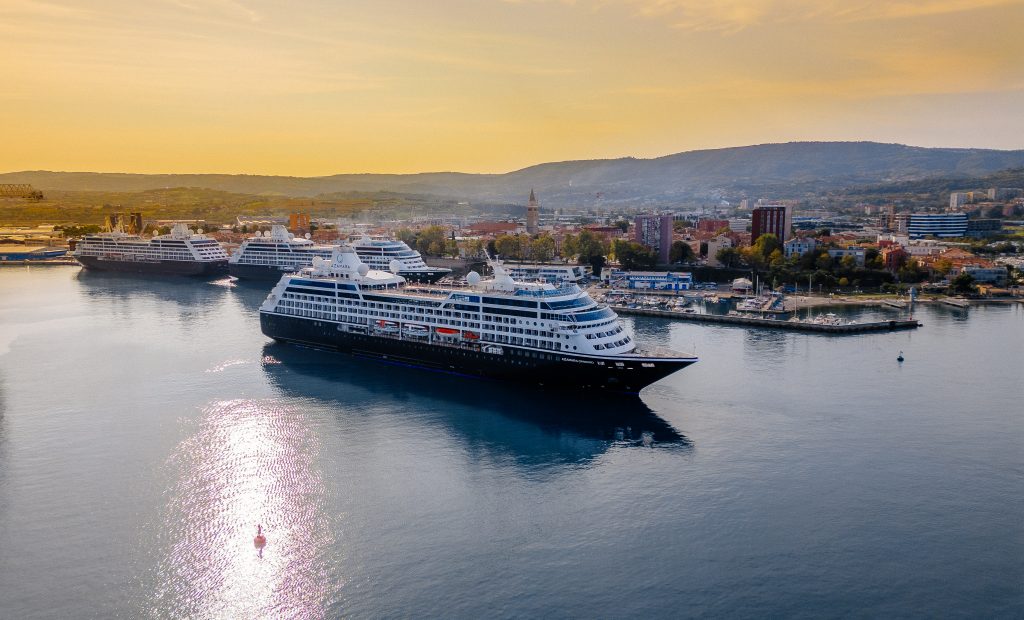
And in the cruise industry, what guests feel is what they remember.
Thoughtful shore excursion design is not about doing more.
It is about doing what works — consistently, responsibly, and with care.
That is where trust begins.
What does “in safe hands” mean in cruise shore excursions?
It refers to a guest’s sense of trust, reassurance, and confidence that their time ashore is professionally managed, from logistics to risk handling.
When does guest trust begin in shore excursions?
Long before arrival. Trust is built during program design, partner selection, scheduling, and contingency planning.
Why is destination knowledge critical for cruise operations?
Because cruise calls allow little margin for error. Understanding traffic, capacity, timing, and local constraints is essential for reliability.
How does risk management affect guest satisfaction?
Effective risk management reduces uncertainty, prevents small issues from escalating, and creates a calm, confident guest experience.
Why are systems more important than flexibility during peak season?
Systems ensure consistency under pressure, while uncontrolled flexibility increases operational risk during high-volume periods.